- Addiction recovery
- Grief and loss
- Cultural sensitivity
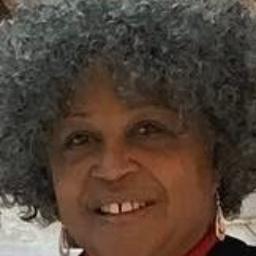
About Paula
Paula draws on work with veterans, multicultural clients, and those coping with family conflict. She offers support for substance use and process addictions, sexual assault recovery, domestic violence impacts, and end-of-life concerns. Sessions emphasize clear communication, rebuilding self-esteem, and finding purpose.
Her approach blends client-centered care with cognitive behavioral techniques and mindfulness. She uses motivational interviewing to support change and existential ideas to help people find meaning during hard times. Conversations move from understanding what matters to trying small, manageable changes.
Paula aims to create an affirming space that respects each person’s story and cultural background. She listens without judgment and helps people map practical next steps. Goals are set together, with attention to skills that carry into daily life.
Based in Colorado, Paula has practiced for decades across different communities. Her work includes coaching around career and life purpose, addressing anger and anxiety, and supporting people through grief and hospice-related decisions. She helps people take steady steps toward healing.
Areas of expertise
Primary focus
Also works with
Additional focus areas
Therapeutic approaches
Experience
27+ years
Credentials
Colorado, Georgia
Languages
English
Approaches that translate to online work
Client-centered therapy focuses on meeting people where they are. The therapist listens closely and follows the client's lead to identify what matters most and set goals that fit real life. Cognitive Behavioral Therapy, or CBT, looks at how thoughts and behaviors affect moods and helps people try small changes to feel better.Finding the right approach is part of the process. The therapist will work together with each person to pick methods that match their needs, goals, and preferences. That collaboration can include trying different techniques and adjusting the plan as life changes.
Confirm the available session options with the provider before booking, as formats are not specified here. Online therapy can help fit sessions into busy schedules by removing travel time and making it easier to join from work breaks or home. It can also allow shorter check-ins when a quick session is helpful, or video sessions when face-to-face conversation is preferred. Licensed professionals can adapt the same therapeutic approaches used in person to remote sessions so work on communication, coping skills, and meaning-making continues outside the office.
Frequently asked questions
What kinds of concerns does Paula help with?
She supports people managing addictions, trauma and abuse, grief, anxiety, depression, relationship and family issues, career questions, and self-esteem challenges.
How would you describe her therapeutic style?
Her style is client-centered and practical. Sessions often combine cognitive behavioral tools, mindfulness, and motivational interviewing to set and reach goals.
What is her professional background?
She has 27 years of clinical experience working with veterans, multicultural clients, and people facing life transitions and family conflict.
Which credentials and location apply to this therapist?
She is a Licensed Professional Counselor, credentialed as CO LPC and GA LPC, and currently practices in Colorado.
Can sessions be conducted in languages other than English?
Sessions are offered in English.
Are international clients supported?
She does not accept international clients at this time.
How does cost and payment work?
Cost varies by location and therapist availability. Sessions use a subscription that can be canceled at any time.
What steps are involved in getting started?
Choose the Start Therapy button, complete a short matching questionnaire, and schedule according to the therapist's availability.