- Client-centered focus
- Skill-based tools
- Experience driven
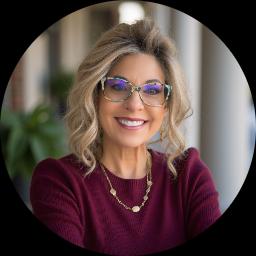
About Paula
Paula holds LCPC, LPC, and LPC-MH credentials and brings 17 years of clinical experience to her work in South Dakota. She describes therapy as a collaborative process where clients and therapist set clear, achievable steps. Sessions focus on building tools for daily life, spotting small positives, and practicing kinder self-talk.
Her approach mixes client-centered listening with structured techniques from cognitive behavioral therapy and dialectical behavior therapy. Emotionally-focused and existential ideas also inform how she helps clients name feelings and find meaning during hard transitions. The emphasis is on tailoring a plan that matches each person’s needs and goals.
In practical terms, Paula guides people through skills for managing strong emotions, changing unhelpful thinking, and repairing communication. She also addresses addiction-related behaviors, codependency, and the stresses that come with major life changes like divorce or caregiving. The aim is steady, measurable progress rather than quick fixes.
Paula invites people to begin by describing the problem that matters most. She aims to create an environment where clients feel understood and not judged, and where small steps lead to clearer choices and healthier routines.
Areas of expertise
Primary focus
Additional focus areas
Therapeutic approaches
Experience
17+ years
Credentials
Montana, Washington, South Dakota, Utah
Languages
English
How therapeutic approaches shape online work
Client-centered therapy is based on listening closely and following the client's lead. It helps people feel heard and name what matters most, which can open room for change in everyday life. Cognitive behavioral therapy (CBT) focuses on identifying unhelpful thoughts and testing different behaviors. It is useful for anxiety, depression, and building problem-focused skills. Dialectical behavior therapy (DBT) teaches concrete skills for managing big emotions and improving relationships, which can be especially helpful for intense mood swings and stress.Finding the right approach is part of the work. The therapist will collaborate with each person to decide which methods fit best given their goals and circumstances. That choice can change over time as skills take hold and new priorities emerge.
The biography does not list specific session formats, so confirm current online options before booking. Online sessions can make it easier to fit therapy into a busy week, reduce travel time, and allow for shorter check-ins when life is hectic. They also let people practice skills in real-world settings between meetings. Licensed professionals can tailor pacing, homework, and session focus to what works for each person.
Frequently asked questions
What concerns does she support?
She helps with stress, anxiety, addictions, relationship problems, and depression, along with related areas such as LGBT issues, attachment concerns, and chronic illness.
How would you describe her therapy style?
Her style blends listening with practical skill-building. Sessions set concrete steps and practice for everyday situations.
What is her professional background?
She has 17 years of clinical experience and a history of working with a wide range of concerns and life transitions.
What credentials and region are listed?
Credentials shown are LCPC, LPC, and LPC-MH, and practice is listed in South Dakota.
Which languages are supported and are international clients possible?
Sessions are offered in English and international clients are accepted.
What session formats are offered?
The original biography does not specify session formats; please confirm current session options before booking.
How is cost handled?
Cost varies by location and therapist availability; sessions use a subscription that can be canceled at any time.
How do I begin working together?
Select the Start Therapy button, complete a short matching questionnaire, and schedule according to therapist availability.