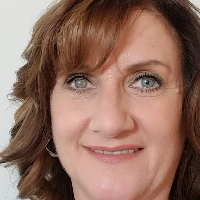
About Phyllis
She listens for what matters most to each person and then works together to set clear, achievable goals. Sessions use straightforward conversation, gentle challenge, and skill-building to help clients try new ways of thinking and acting. Phyllis pays attention to the relationships and contexts that shape a person’s experience.
Her background includes work across diverse populations with varying identities and life situations. That experience informs how she supports people dealing with stress, anxiety, grief, relationship strain, parenting concerns, addictions, trauma, and related problems. She also addresses issues such as attachment and abandonment, caregiver stress, blended family dynamics, and body image.
Phyllis uses a mix of therapy styles to meet individual needs. She draws on client-centered methods, cognitive-behavioral ideas, existential perspectives, mindfulness practices, and relationship-focused tools such as the Gottman Method. This variety allows her to tailor sessions to the situation at hand.
Clients can expect a practical, goal-oriented process. Phyllis looks for strengths to build on and offers clear steps for change. She describes the work as collaborative and focused on real-life outcomes.
Areas of expertise
Primary focus
Also works with
Additional focus areas
Therapeutic approaches
Experience
5+ years
Credentials
North Carolina
Languages
English
How therapeutic approaches shape online support
Client-Centered Therapy focuses on listening and responding to each person’s goals. It helps people feel heard and makes room for personal values and choices. Cognitive Behavioral Therapy (CBT) looks at thoughts and behaviors together, and offers practical strategies to reduce anxiety, manage mood, and change unhelpful patterns. Mindfulness Therapy teaches simple attention and breathing skills to reduce reactivity and improve focus, which can help with stress, grief, and emotional ups and downs.Finding the right approach is part of the work. The therapist will talk with the client about their needs, goals, and preferences and then recommend methods that fit. That process is collaborative and may combine elements from different approaches over time to meet changing needs.
Confirm the therapist's current session options before booking so you know which online formats are available. Online work can make it easier to fit sessions into a busy week, reduce travel time, and allow shorter check-ins when schedules demand it. Different methods can be adapted for remote sessions, and this therapist will discuss practical ways to use these approaches in the format you choose.
Frequently asked questions
What concerns does she help with?
She helps people manage stress, anxiety, grief, relationship and parenting concerns, depression, addictions, trauma, and related issues such as attachment or caregiver stress.
What is her therapy style like?
Her style is collaborative and strengths-based, combining straightforward conversation, gentle challenge, and practical skill building to reach client goals.
What experience does she bring?
She has five years of clinical experience working with diverse people across different identities and life situations.
What credentials and location are listed?
She holds the LMFT credential and practices in North Carolina as an NC LMFT.
Which languages are supported and can she see international clients?
Sessions are offered in English and she does not accept international clients at this time.
What session formats are available?
Confirm current session options before booking to learn what formats are offered for appointments.
How does billing and cost work?
Cost varies with location and therapist availability; sessions use a subscription that can be canceled at any time.
How do I begin the process?
Select the Start Therapy button, complete a short matching questionnaire, and schedule according to therapist availability.