- End-of-life counseling
- Attachment-focused care
- Practical coping tools
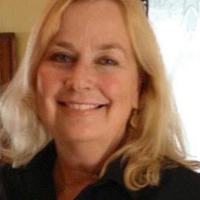
About Priscilla
Her approach is practical and person-centered. She uses Attachment-Based Therapy to look at how early relationships affect current patterns. She also uses Cognitive Behavioral Therapy to identify unhelpful thoughts and try new behaviors. Mindfulness techniques and elements from Jungian work are sometimes woven in to help build self-awareness and notice bodily and emotional signals.
Priscilla has worked in community health outpatient clinics and residential settings for adolescents, and she brings that background into sessions in a straightforward way. She emphasizes motivation and collaboration, helping people set realistic goals and small steps toward change. Sessions focus on what will help a person feel more stable and able to manage day-to-day challenges.
People can expect an encouraging tone and practical tools along with space to process grief or difficult feelings. Priscilla pays attention to patterns like attachment wounds, abandonment concerns, and dissociation when those issues arise. Her goal is to support clearer thinking and steadier coping in the face of hard situations.
To begin, she guides people through a short matching process and scheduling so therapy fits their life and needs.
Areas of expertise
Primary focus
Also works with
Additional focus areas
Therapeutic approaches
Experience
16+ years
Credentials
New York
Languages
English
How attachment work and CBT shape online support
Attachment-Based Therapy focuses on how early relationships shape current feelings and behavior. In practice this means talking about patterns in close relationships, noticing how those patterns show up now, and trying small changes to feel more connected and regulated. Cognitive Behavioral Therapy (CBT) helps people identify unhelpful thoughts and test new ways of thinking and acting. It is useful for worry, low mood, and habits that keep problems going. Mindfulness Therapy teaches simple attention and breathing practices to reduce reactivity and notice sensations and emotions without being overwhelmed.Finding the right approach is part of the work. The therapist will listen to your goals, symptoms, and preferences and then suggest methods to try. This is a collaborative process and plans may change as you learn what helps most.
Specific session formats are not listed in the provided information, so confirm current options before booking. In general, online work can make it easier to fit sessions into a busy week, allow for shorter check-ins when time is tight, and reduce the need to travel. It can also let a person practice skills between sessions in real-life settings and then bring those experiences back to talk through with the therapist.
Frequently asked questions
What concerns does Priscilla help with?
She supports people with grief and hospice and end-of-life counseling, anxiety, depression, trauma, relationship and intimacy issues, addiction, parenting stress, and related concerns listed in her specialties.
How would you describe her therapeutic style?
Her style is warm and accepting with a practical focus. She works collaboratively to set goals and teach coping skills while also making space to process feelings.
What experience does she bring to sessions?
Priscilla has 16 years of clinical experience and has worked in community health outpatient clinics and residential programs for adolescents.
What are her credentials and where is she located?
She is a Licensed Mental Health Counselor, NY LMHC, and practices in New York.
Which languages are offered and can international clients be seen?
Sessions are offered in English. She is not accepting international clients at this time.
What session formats are available?
Session formats are not specified in the provided information. Please confirm the current session options before booking.
How are fees handled?
Cost varies with location and therapist availability; sessions use a subscription that can be canceled at any time.
How do I get started with therapy?
Select the Start Therapy button, complete a short matching questionnaire, and schedule according to therapist availability.