- Client-centered
- Grief support
- Trauma-informed
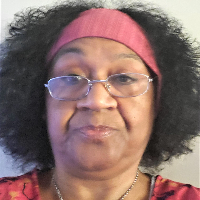
About Priscilla
She draws on Cognitive Behavioral Therapy to help people notice thought patterns and try new behaviors. Mindfulness techniques are used to build calm and focus during stressful times. Existential ideas come up when people need to face big questions about meaning and loss.
Her background includes long clinical experience in public systems and medical settings. That history means she is familiar with trauma, grief, and chronic medical conditions. She also has experience supporting caregivers and people managing compassion fatigue.
Dr. Sobremonte created a therapeutic journaling tool called Therapeutic Journaling: Making Sense of My Life, which is based on narrative journaling methods. She uses writing when it helps people organize memories and feelings.
She practiced in the U.S. Air Force and later worked in county mental health, juvenile justice, the California Department of Corrections and Rehabilitation, Kaiser Permanente, and Veterans Health Care. Since 2006 she has worked in private practice, shaping treatment plans with clients in a collaborative way.
Areas of expertise
Primary focus
Also works with
Additional focus areas
Therapeutic approaches
Experience
24+ years
Credentials
California
Languages
English
Approaches that translate to online care
Client-Centered Therapy focuses on the person's priorities and choices. In sessions the therapist follows what matters most and helps set goals that fit daily life. Cognitive Behavioral Therapy (CBT) looks at how thoughts, feelings, and actions connect and offers simple exercises to test new ways of coping and behaving. Mindfulness Therapy helps people build attention and reduce reactivity through brief practice and grounding techniques that can be used between sessions.Finding the right approach is part of the work together. The therapist will discuss goals, preferences, and practical needs and help decide which methods to try. That collaborative process means approaches can be adjusted over time based on what is most helpful for the person.
Confirm current session options before booking so you know how sessions are offered. Online therapy can make it easier to fit appointments into a busy life, reduce travel time, and allow for shorter check-ins when needed. It also makes regular contact possible when caregiving, medical concerns, or geography make in-person visits harder. Discuss format and scheduling during the matching and intake process to find a plan that works for everyday routines.
Frequently asked questions
What concerns does Dr. Sobremonte address?
She works with stress, anxiety, depression, grief, trauma and abuse, addictions, relationship and family issues, parenting, compassion fatigue, and many other concerns listed in her specialties.
What is her therapeutic style like?
The approach is client-centered and collaborative. She draws from Cognitive Behavioral Therapy, mindfulness, existential ideas, motivational interviewing, and narrative techniques as needed.
How much experience does she have?
She has 24 years of clinical experience across military, correctional, medical, and community mental health settings.
What credentials and location apply to her practice?
She is a Licensed Clinical Social Worker (LCSW) practicing in California and holds the CA LCSW credential noted in her profile.
Which languages are supported?
Sessions are offered in English, and she also accepts international clients.
What session formats are available?
Please confirm current session options before booking so you know which formats are offered for your situation.
How are fees handled?
Cost varies with location and therapist availability; sessions use a subscription that can be canceled at any time.
How do I begin working with her?
Select the Start Therapy button, complete a short matching questionnaire, and then schedule according to therapist availability.