- End-of-life counseling
- CBT and solutions
- Caregiver support
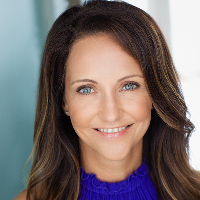
About Rhonda
She draws on 13 years of clinical experience and favors approaches that are practical and problem-focused. Rhonda often uses cognitive behavioral ideas to help people spot unhelpful thoughts and try new behaviors. She also uses solution-focused work to identify small steps that lead toward clear goals.
Rhonda views problems in layers rather than as a single issue. She listens for what is under the surface and matches the approach to the person in front of her. That can mean blending short-term strategies with behavior-focused tools to reduce distress and build new routines.
Clients can expect a collaborative plan with concrete steps to track progress. Sessions emphasize real-life changes like managing stress, sleep, mood, or caregiving demands. Rhonda explains options, checks in about what works, and adjusts the plan as needed.
Her background includes work with people in a variety of settings and a long history addressing end-of-life topics. She encourages straightforward conversation about goals and next steps so clients can make practical changes that fit their daily lives.
Areas of expertise
Primary focus
Also works with
Additional focus areas
Therapeutic approaches
Experience
13+ years
Credentials
Florida
Languages
English
How cognitive and solution-focused work translate online
Rhonda uses cognitive behavioral techniques to help people notice thoughts that increase distress and to experiment with different reactions. That approach is useful for anxiety, sleep problems, and mood challenges because it breaks issues into small, testable steps. Solution-focused therapy narrows attention to clear goals and the next practical move, which can be helpful when someone wants quick, measurable change.Choosing the right approach is part of the work together. The therapist will discuss goals, test methods, and adapt strategies based on what feels most useful. Clients and the therapist decide collaboratively which techniques to keep using and which to change.
The practical benefits of remote sessions depend on the formats offered, which are not specified in the profile. Please confirm current session options before booking. In general, online work can make it easier to fit therapy into a busy day, reduce travel time, and allow shorter check-ins when needed. It also supports continuing care during major life transitions and for people juggling caregiving, medical appointments, or work responsibilities.
Frequently asked questions
What kinds of concerns does Rhonda address?
She helps people with grief, coping with life changes, stress, anxiety, depression, and caregiving issues including hospice and end-of-life concerns.
How does Rhonda approach therapy?
Her approach is practical and collaborative, using cognitive behavioral ideas and solution-focused techniques to set goals and try stepwise changes.
What is her clinical background?
Rhonda has 13 years of experience and has worked in varied settings that included addressing end-of-life topics and caregiver stress.
What credentials and location apply to this therapist?
She is an LMFT licensed in Florida and practices from that state.
Are sessions offered in other languages or internationally?
Sessions are offered in English and she is not accepting international clients at this time.
What session formats are available?
The original profile does not list specific session formats; please confirm current session options before booking.
How are fees and payment handled?
Cost varies with location and therapist availability, and sessions use a subscription that can be canceled at any time.
How do I begin working with Rhonda?
Use the Start Therapy button, complete a short matching questionnaire, and schedule according to therapist availability.