- Practical coping tools
- Longtime clinical experience
- End-of-life support
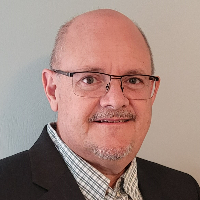
About Rick
He begins by listening closely to understand what matters most to each person. Then he helps identify the challenges that cause the most distress and looks for concrete, useful steps to address them. Sessions often include checking progress and adjusting plans as needed.
Rick has supported people with stress, anxiety, grief, trauma, relationship concerns, parenting strain, and issues with addiction. He also helps with career questions, low self-esteem, sleep problems, anger, and navigating life transitions. Additional areas of focus include adoption and foster care, attachment and fatherhood issues, and hospice and end-of-life counseling.
Clients can expect a collaborative pace and straightforward tools rather than jargon. Rick aims to balance practical strategies with steady support as people try new ways of coping. He draws on a wide base of experience from many years in practice to tailor the work to each person.
He provides services from Utah and conducts sessions in English. International clients may be accepted; prospective clients should confirm current session options before booking. To begin, visitors complete a short matching questionnaire and schedule according to the therapist's availability.
Areas of expertise
Primary focus
Also works with
Additional focus areas
Experience
25+ years
Credentials
Utah
Languages
English
Therapeutic tools that fit your life online
Rick draws on evidence-based therapeutic techniques that focus on practical change. One common approach emphasizes building coping skills and behavioral steps to reduce anxiety and improve sleep. This method teaches specific practices you can use between sessions to manage symptoms and daily routines.Another useful approach centers on processing grief and loss through gradual exposure to difficult emotions and meaningful memory work. That approach helps people find ways to carry what matters forward while adjusting to life after loss, including end-of-life and hospice-related concerns.
Finding the right approach is part of the work. The therapist will collaborate with each person to pick methods that match their goals, needs, and preferences. Together they try techniques, review how they felt, and change direction when something is not helping.
If you want online therapy, confirm the current session options before booking so you know what formats he is offering. Online work can make it easier to fit sessions into a busy week, avoid travel, or have shorter check-ins when time is limited. It also lets people keep therapy going across locations, including for international clients when arrangements allow.
Frequently asked questions
What concerns does he help with?
He helps people facing stress, anxiety, grief, trauma, relationship strain, parenting challenges, addictions, sleep problems, anger, low self-esteem, career questions, bipolar and depression, and coping with life changes, among other issues.
What is his approach in sessions?
Rick listens first and then helps identify the most pressing challenges. He focuses on concrete steps and tools and checks in regularly to adjust the plan as needed.
How much clinical experience does he have?
He has 25 years of experience working with a wide variety of people and brings that background to each new therapeutic relationship.
What are his credentials and where is he based?
He is a licensed clinical social worker, LCSW, practicing from Utah.
Which languages are offered?
Sessions are offered in English.
Can people outside the U.S. work with him?
He accepts international clients, though prospective clients should confirm any regional considerations before booking.
How are sessions paid for?
Cost varies with location and therapist availability; sessions use a subscription that can be canceled at any time.
How do I begin working with him?
Select the Start Therapy button, complete a short matching questionnaire, and schedule according to the therapist's availability.