- Goal oriented
- Relationship focus
- Grief and loss
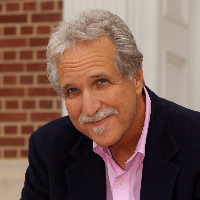
About Rodney
He frames work around what matters most to each person. Sessions look at strengths and the areas someone wants to change. He helps clients set clear goals and develops step-by-step plans to reach them. That can include coping skills for anxiety, strategies for sleep and stress, or communication work for relationships.
Rodney draws on a mix of counseling methods, including cognitive behavior techniques and emotion-focused ideas. He also uses acceptance and commitment approaches and skills from dialectical behavior therapy where helpful. The method chosen is matched to the client and the issue at hand rather than applied the same way to everyone.
His background includes seminary training and many years in pastoral and counseling roles across community settings in South Carolina. He also brings career and coaching tools for job transitions and life planning. Those tools include well-known assessments used to clarify strengths and preferences.
People choose him when they want direct help with grief, hospice and end-of-life counseling concerns, parenting and fatherhood issues, or the fallout from separation and infidelity. He aims to make sessions practical, respectful, and focused on real-world changes.
Areas of expertise
Primary focus
Also works with
Additional focus areas
Therapeutic approaches
Experience
33+ years
Credentials
South Carolina
Languages
English
How therapeutic approaches translate to online care
Acceptance and Commitment Therapy (ACT) helps people clarify what matters to them and commit to small actions aligned with those values. It is useful for coping with anxiety, life changes, and grief by focusing on meaningful behavior rather than on eliminating painful feelings. Cognitive Behavioral Therapy (CBT) examines patterns of thinking and behavior and introduces practical experiments and exercises to reduce depression, improve sleep, and manage stress. Emotionally-Focused Therapy (EFT) centers on identifying and shifting emotional patterns in relationships to improve connection and communication.Finding the right approach is part of the work. The therapist will talk with the client about their goals and preferences and then suggest which combination of methods might help most. That decision is collaborative and can change as progress is made.
Session formats are not listed in the biography, so please confirm current session options before booking. Online therapy can make scheduling easier and help sessions fit around work, caregiving, or travel. It can also allow for shorter check-ins, avoid commute time, and make it simpler to bring work or family topics into conversation. Licensed professionals adapt exercises and homework for remote sessions so that practical skills can be practiced between meetings.
Frequently asked questions
What concerns does he address?
He helps people facing stress, anxiety, depression, grief, relationship and family problems, addictions, parenting and career transitions.
What is his therapy style like?
Sessions are practical and goal focused with an emphasis on strengths, values, and step-by-step change rather than long, abstract talk.
How much experience does he have?
He has 33 years of counseling and pastoral experience in South Carolina working across a range of settings.
What credentials and region are listed?
He is an LPC and practices in South Carolina.
Which languages are supported?
Sessions are offered in English.
Are international clients available?
International clients are not currently accepted.
How are fees and payments handled?
Cost varies with location and therapist availability; sessions use a subscription that can be canceled at any time.
How do I begin with him?
Select the Start Therapy button, complete the short matching questionnaire, then schedule according to therapist availability.