- Grief and caregiving
- Health-related stress
- Practical coping strategies
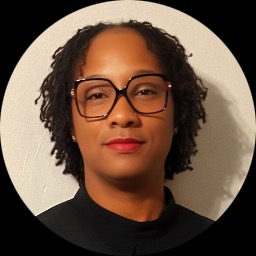
About Sonya
She uses a straightforward style in sessions. She listens first, then helps people name what matters most to them. Many clients come with anxiety, depression, grief, or work and caregiver strain. She also addresses relationship worries, ADHD, chronic illness, and issues tied to aging or serious medical conditions.
Her background includes roles in medical social work and community mental health. That experience has involved short stay hospital care, long term acute hospitalization, inpatient rehabilitation, dialysis, and cardiac rehab settings. She has provided outpatient psychotherapy, intensive in-home support, and mental health skill building.
In sessions she draws on approaches like attachment-based work, client-centered conversation, cognitive behavioral techniques, motivational interviewing, and narrative therapy. She helps people connect their present worries to past patterns, test small changes, and rewrite difficult stories about themselves.
People who want a practical, health-informed approach may find her style useful. She aims to blend behavioral health with medical concerns and focuses on concrete steps people can try between sessions.
Areas of expertise
Primary focus
Also works with
Additional focus areas
Therapeutic approaches
Experience
3+ years
Credentials
Virginia, Texas
Languages
English
How her approaches work in online sessions
Attachment-based work focuses on the ways early relationships shape current reactions. Online sessions using this approach help people notice patterns in their closest relationships and try new, gentler ways of connecting. Client-centered therapy centers the person's own goals and pace, offering a space where the therapist follows the client's lead and reflects what matters most to them. Cognitive behavioral therapy, or CBT, looks at how thoughts, feelings, and actions link together and teaches practical steps to shift unhelpful patterns.Finding the right approach is a collaborative process. The therapist will talk with each person about their needs and preferences, and together they will decide which methods to emphasize. That choice can change over time as goals evolve and new challenges arise.
Confirm current session options before booking so you know what formats are offered. Online therapy can make it easier to fit sessions into a busy week, shorten travel time, and allow a quicker check-in between appointments. It can also support people managing caregiving responsibilities or medical appointments by making scheduling more flexible. Licensed professionals can adapt these approaches to work over distance while focusing on practical steps you can try between sessions.
Frequently asked questions
What kinds of problems does she help with?
She helps people facing grief, depression, anxiety, career stress, relationship and family strains, and caregiver burnout, plus challenges tied to chronic illness and aging.
How would you describe her therapy style?
Her style is direct and practical. Sessions focus on listening, identifying patterns, and trying small changes that fit a person's daily life.
What is her clinical background?
She holds a Doctoral Degree in Social Work and has three years of the clinical experience noted here as an LCSW alongside earlier healthcare and community roles.
Where is she located and licensed?
She practices in Virginia and holds an LCSW credential. The profile lists TX LCSW and VA LCSW as the documented licenses.
Which languages are supported for sessions?
Sessions are offered in English.
Can international clients work with her?
She is not currently accepting international clients.
How are fees and payment handled?
Cost varies with location and therapist availability; sessions use a subscription that can be canceled at any time.
How do I begin working with her?
Use the Start Therapy button, complete a short matching questionnaire, and schedule sessions according to therapist availability.