- Practical coping skills
- Health-related stress
- Collaborative goal setting
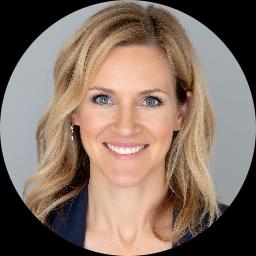
About Stephanie
She uses a mix of approaches guided by each person's goals and motivation. Sessions often include talking through patterns of thought and behavior, learning simple coping skills, and trying small experiments between visits. Mindfulness techniques and client-centered listening are common tools in her work.
Her background includes work with people facing medical problems, chronic illness, and caregiver strain, so health-related stress and end-of-life concerns are familiar topics in her practice. She also supports people dealing with addiction, ADHD, relationship stress, parenting strain, and career pressure.
Dr. Zeid names cognitive behavioral therapy and dialectical behavior therapy among the approaches she uses when they fit a client's needs. Those methods are mixed with existential and motivational elements to match personal values and readiness for change.
People who choose to work with her can expect clear, practical steps to manage symptoms and build routines that support well-being. The emphasis is on collaboration - setting realistic goals and measuring small improvements over time.
Areas of expertise
Primary focus
Also works with
Additional focus areas
Therapeutic approaches
Experience
14+ years
Credentials
Texas
Languages
English
How therapy approaches translate to online care
Dr. Zeid often draws on cognitive behavioral therapy to help people identify unhelpful thoughts and test new behaviors in daily life. CBT is practical and task-focused, which can make it easy to use between sessions for problems like anxiety, sleep issues, and depression.She also uses client-centered therapy, which centers the conversation on the person's own priorities. That approach emphasizes empathetic listening and supports people as they clarify values and make decisions about difficult life changes.
Finding the right approach is part of the work together. The therapist will discuss goals, try methods that match those goals, and adjust plans based on what feels most helpful. That collaboration helps shape sessions so they stay relevant to each person's needs.
If you are considering online sessions, confirm the available session formats before booking. Online therapy can make it easier to fit appointments into a busy week, reduce travel time, and allow for shorter check-ins when needed. It can also let people continue care during medical treatment or while managing caregiver duties, but specifics about how sessions are delivered should be checked when scheduling.
Frequently asked questions
What kinds of difficulties does she help with?
She helps people managing stress, anxiety, depression, grief, and adjustment to health problems. Other concerns include addiction, ADHD, relationship and parenting stress, and career or identity questions.
What is her therapy style like?
Her style is practical and collaborative. Sessions focus on clear steps, coping techniques, and exploring what changes will fit the client's life.
What experience does she bring?
She has 14 years of clinical experience working with people facing mood disorders, medical and chronic illness, caregiver stress, and complex life transitions.
What are her credentials and where is she based?
She practices as TX Psychologist 36711 and is located in Texas.
Which languages are supported for sessions?
Sessions are offered in English.
Can people outside the U.S. work with her?
International clients are not currently accepted.
How does payment work?
Cost varies with location and therapist availability; sessions use a subscription that can be canceled at any time.
How do I begin working with her?
Click the Start Therapy button, complete a short matching questionnaire, and then schedule according to the therapist's availability.