- Grief and loss
- Work and career
- Communication skills
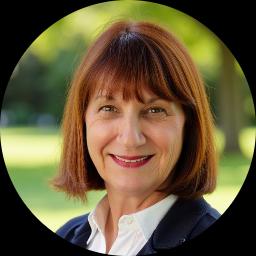
About Susan
Susan has six years of clinical experience supporting people through midlife transitions and career shifts. She pays close attention to patterns that come from family of origin, and she helps clients find clearer ways to communicate and set boundaries. She also offers guidance around aging and geriatric concerns and hospice and end-of-life counseling.
In sessions she prioritizes a collaborative, nonjudgmental tone. Susan listens for what matters most, then helps clients challenge limiting beliefs and try concrete new behaviors. She uses real-world skills people can practice between meetings so progress carries into daily life.
Her style blends person-centered listening with structured tools. Techniques from cognitive behavioral therapy and dialectical behavior therapy are used when they fit a person's goals. Motivational interviewing and a psychodynamic perspective also inform how she helps clients understand patterns and make change.
Susan is especially attuned to issues that commonly affect women, including guilt, self-esteem, and isolation. She also addresses relationship concerns such as communication problems, codependency, and divorce or separation. If someone wants help getting clearer about next steps, she offers straightforward support and practical strategies.
Areas of expertise
Primary focus
Also works with
Additional focus areas
Therapeutic approaches
Experience
6+ years
Credentials
Illinois
Languages
English
How therapeutic approaches guide online work
Client-Centered Therapy focuses on listening closely and following what matters to each person. It helps people feel heard and come to their own solutions by building trust and understanding. Cognitive Behavioral Therapy, or CBT, looks at how thoughts, feelings, and actions connect and teaches practical skills for changing unhelpful patterns; it is often useful for anxiety, depression, and stress management.Finding the right approach is part of the work. The therapist will collaborate with the client to choose methods that match their goals, preferences, and day-to-day life. That process can include trying one approach, mixing techniques, and adjusting the plan as progress unfolds.
Confirm the current session options before booking so you know which remote formats are available. Online therapy can make it easier to fit sessions into a busy schedule, reduce travel time, and allow shorter check-ins when that suits a client's routine. It can also make it simpler to involve learning exercises between meetings and to practice communication skills in real situations.
Frequently asked questions
What concerns does Susan commonly address?
Susan works with adults on stress, anxiety, grief, depression, self-esteem, and coping with life changes. She also focuses on workplace issues, relationship and communication problems, and hospice and end-of-life counseling.
How would you describe her therapeutic style?
Her style is collaborative and nonjudgmental. She listens closely, helps people test new behaviors, and uses practical skills to support everyday coping.
What background and experience does she bring?
She has six years of clinical experience working with adults on midlife transitions, family patterns, and career-related concerns. That background informs how she helps clients set goals and try new strategies.
What credential does she hold and where is she based?
She is an LCPC, which stands for Licensed Clinical Professional Counselor, and she practices in Illinois.
Which languages are supported for sessions?
Sessions are offered in English.
Can international clients work with her?
She is not currently accepting international clients.
How are sessions paid for and what does cost look like?
Cost varies with location and therapist availability; sessions use a subscription that can be canceled at any time.
What are the steps to begin working together?
To get started, select the Start Therapy button, complete a short matching questionnaire, and schedule according to therapist availability.