- Grief and end-of-life support
- Trauma and abuse
- Practical coping skills
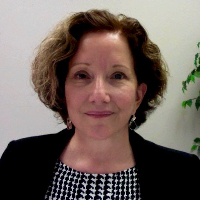
About Susan
Clients can expect straightforward talk and practical steps in sessions. She draws on cognitive behavioral techniques and client-centered listening to help people name patterns and try new responses. Mindfulness tools and trauma-focused approaches are used when they fit the problem.
Susan has long experience supporting adults coping with childhood trauma, physical or emotional abuse, stalking, and domestic violence. She has also worked with people who have disabilities and those navigating major life transitions or caregiving strain. Her time in practice has included helping with career questions and compassion fatigue.
Her approach is collaborative and down-to-earth. She prioritizes clear communication and adapts to each person’s pace. Conversations aim to reduce what gets in the way of daily functioning and to build skills people can use between sessions.
Sessions include regular message responses and flexibility around scheduling when possible. Prospective clients complete a short matching questionnaire to begin and then schedule according to therapist availability. The subscription for sessions can be canceled at any time.
Areas of expertise
Primary focus
Also works with
Additional focus areas
Therapeutic approaches
Experience
30+ years
Credentials
New Jersey
Languages
English
Therapeutic approaches and how they work online
Client-centered therapy focuses on the relationship and on listening closely to what matters to each person. It helps people feel heard and clarifies goals so small changes can start to happen. Cognitive behavioral therapy, or CBT, looks at how thoughts influence feelings and behavior and teaches concrete skills to change unhelpful patterns; it is often used for anxiety, depression, and stress-related problems.Finding the right approach is part of the work. The therapist will collaborate with each person to decide which methods fit the goals and the situation. That might mean trying a few techniques and adjusting based on what helps most.
Online work can make it easier to fit therapy into a busy life. It can reduce travel time and allow sessions during a lunch break or between errands. Before booking, confirm the current session options and formats offered, since those details can change. The focus online remains on clear communication, practical exercises, and skills to use between meetings, adapted to the person’s needs.
Frequently asked questions
What kinds of concerns does Susan help with?
She works with grief and end-of-life concerns as well as trauma and abuse, anxiety, depression, relationship and family issues, stress, addictions, self-esteem, and sleep or eating problems.
How would you describe Susan's therapy style?
Her style is direct and collaborative. She uses empathetic listening, practical exercises, and short-term tools to address day-to-day problems.
What experience does she bring to sessions?
She has 30 years of clinical experience, including work with adults who have lived with childhood trauma, abuse, stalking, domestic violence, disabilities, and major life transitions.
What are her credentials and where is she based?
She is a licensed clinical social worker, LCSW, licensed in New Jersey.
Which languages are supported for sessions?
Sessions are offered in English.
Does she work with clients outside the country?
International clients are not currently accepted; sessions are arranged for people based in the therapist's supported region.
How are costs and billing handled?
Cost varies with location and therapist availability; sessions use a subscription model that can be canceled at any time.
How do I begin working with her?
Use the Start Therapy button, complete a short matching questionnaire, and then schedule sessions according to therapist availability.