- Client-centered approach
- Practical tools
- Grief and hospice support
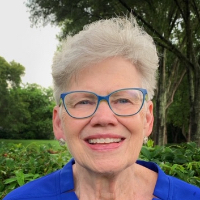
About Susan
Over her career she has helped people cope with relationship strain, parenting challenges, addiction concerns, bipolar disorder, and ADHD. She also addresses caregiver stress, chronic illness and pain, abandonment and family-of-origin issues, and the emotional fallout from disasters. Her approach aims to match treatment to the problem a person brings in.
Susan uses a client-centered stance to create a space where a person feels heard. From that foundation she adds techniques from cognitive behavioral therapy to spot unhelpful thoughts and try new actions. Motivational interviewing helps when someone is weighing change and needs a clearer path forward.
She also draws on solution-focused and trauma-informed methods to keep sessions practical and goal-directed. That means looking for small, doable steps and strategies that fit daily life. Susan keeps the focus on what a person wants to achieve and tracks progress over time.
People who reach out can expect a respectful, direct style that balances listening with tangible tools. She guides conversations toward workable changes and helps people build skills to manage strong emotions. Susan welcomes the chance to support those facing loss, life transitions, and long-term stressors.
Areas of expertise
Also works with
Additional focus areas
Therapeutic approaches
Experience
25+ years
Credentials
Florida
Languages
English
How her approaches fit with online work
Client-centered therapy starts by making space for a person to speak and be heard. In practice this means the therapist listens closely, reflects what she hears, and helps a person name priorities and goals. Cognitive behavioral therapy, or CBT, focuses on identifying unhelpful thoughts and trying different behaviors to change feelings; it is useful for anxiety, depression, and coping with life changes.Choosing the right approach is part of the process. Susan will work collaboratively to decide whether client-centered listening, CBT techniques, or motivational interviewing best match a person's needs and goals. Together they set practical steps and check progress over time so the work stays relevant.
The original biography does not list specific online session formats, so please confirm current options before booking. In general, online therapy can make it easier to fit sessions into a busy week, reduce travel time, and allow for shorter check-ins when that suits a person. It can also let someone continue care during life transitions or when stressors make in-person visits difficult. Ask about available formats so you can choose what works best for your routine.
Frequently asked questions
What concerns does she help with?
Susan works with stress, anxiety, depression, grief, trauma and abuse, and a range of relationship and family issues. Additional areas include caregiver stress, chronic pain or illness, addictions, bipolar disorder, ADHD, and hospice and end-of-life counseling.
How would you describe her therapy style?
She emphasizes a client-centered style that begins with careful listening. From there she blends practical techniques like cognitive behavioral strategies and motivational interviewing to set achievable goals.
What background does she bring to sessions?
She has 25 years working in the mental health field and has supported many people through grief, trauma, family concerns, and long-term stress. Her experience spans clinical and community settings.
What credentials and location are listed?
She is an LMHC - Licensed Mental Health Counselor - practicing in Florida.
Which languages are offered and are international clients supported?
Sessions are offered in English. International clients are not currently accepted.
What session formats are used?
The original profile does not specify session formats. Please confirm current session options before booking so you know how sessions will be held.
How does billing and cost work?
Cost varies with location and therapist availability. Sessions use a subscription that can be canceled at any time.
How do I begin working with her?
Select the Start Therapy button, complete a short matching questionnaire, and schedule according to therapist availability.