- Practical coping skills
- Help with grief
- Relationship focus
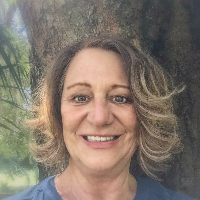
About Susan
Dr. Sult uses straightforward therapies such as cognitive behavioral strategies, dialectical behavior skills, and emotionally focused work to address strong emotions and difficult patterns. She explains techniques plainly and shows how to apply them in day-to-day life. Sessions focus on concrete tools for sleep, mood, coping with chronic illness, and managing anger or relationship conflict.
Over three decades in practice in Florida, she has supported people through cancer, chronic pain and illness, grief, dissociation, and parenting stresses. Her work also touches on intimacy-related issues, body image, and attachment or abandonment concerns. She aims to help people rebuild routines and reconnect with what matters to them.
She describes therapy as a partnership: she listens, offers clear options, and helps clients choose what fits their goals. Treatment plans are adjusted as needs change, with an emphasis on skills that can be practiced outside sessions. Dr. Sult also balances structured problem-solving with attention to feelings and relationship dynamics.
Outside of work she enjoys horseback riding, quilting, and cooking, and values time with family and friends.
Areas of expertise
Primary focus
Also works with
Additional focus areas
Therapeutic approaches
Experience
35+ years
Credentials
Florida
Languages
English
How evidence-based methods translate to online care
CBT, or cognitive behavioral therapy, focuses on identifying and changing unhelpful thoughts and behaviors. It teaches specific skills for managing anxiety, low mood, sleep problems, and unhelpful habits. DBT, or dialectical behavior therapy, emphasizes emotional regulation, distress tolerance, and clearer communication. It can help with strong emotions, self-harm urges, and relationship conflict. Emotionally-Focused Therapy spotlights how people connect in relationships and helps rewrite negative interaction patterns to improve closeness and trust.Finding the right mix of methods is part of the work together. The therapist will talk with each person about goals, try approaches that fit those goals, and adjust strategies as progress is made. This collaborative process helps make sure treatment matches what matters most to the client.
The biography does not list specific online or phone formats, so confirm the available session types before booking. Online therapy can make it easier to fit sessions into a busy life, shorten commute time, and allow more flexible scheduling around work or medical appointments. It also lets people practice skills in their everyday routines and bring real-life moments into sessions for immediate problem-solving.
Frequently asked questions
What kinds of problems does this therapist often help with?
She supports people dealing with stress, anxiety, trauma and abuse, depression, bipolar disorder, addictions, relationship and intimacy issues, eating and sleeping problems, parenting challenges, and career or self-esteem concerns.
How would you describe the therapy style and approach?
Therapy blends cognitive behavioral techniques, dialectical behavior skills, emotionally focused work, mindfulness, and solution-focused methods to teach practical tools and address emotions and relationship patterns.
What is the clinician's background and experience?
She brings 35 years of clinical experience and has worked with people facing grief, chronic illness, dissociation, trauma, and a range of mood and behavioral concerns.
What credentials and location are listed for this clinician?
She is listed as FL Psychologist PY3854 and practices in Florida.
Are sessions offered in languages other than English?
Sessions are offered in English.
What session formats are available for working together?
The original biography does not specify session formats; please confirm current session options before booking.
How does payment and cost work for sessions?
Cost varies with location and therapist availability; sessions use a subscription that can be canceled at any time.
What steps should I follow to begin therapy?
Use the Start Therapy button, complete a short matching questionnaire, and schedule according to therapist availability.