- Evidence-based focus
- Interactive sessions
- Homework exercises
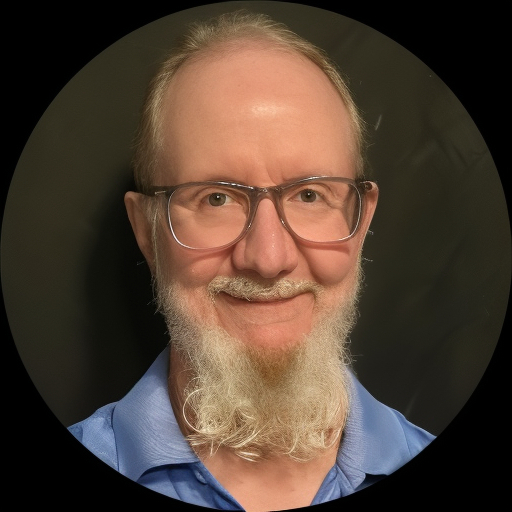
About Timothy
He uses evidence-based therapeutic techniques and emphasizes a strong therapeutic relationship. He keeps sessions interactive and practical, and often suggests short exercises or “homework” to try between meetings. These tasks can be done alone or with a support person to help practice new skills.
His background includes many years treating difficult and common mental health issues across the lifespan. He draws on that experience when creating straightforward, manageable plans. The aim is to find methods that fit daily life and hold up over time.
In sessions he listens for what matters most and helps people build steps toward change. He balances hands-on strategies with attention to how people connect with others and their family history. That combination often helps people sort emotions, communication problems, and forgiveness or shame-related issues.
Timothy works from Utah and conducts therapy in English. He holds an LCSW credential and has experience supporting people through a wide range of concerns, including abandonment, adoption and foster care matters, attachment issues, dissociation, and caregiver stress.
To begin, people select the Start Therapy button, fill a short matching questionnaire, and schedule according to the therapist’s availability.
Areas of expertise
Primary focus
Additional focus areas
Experience
32+ years
Credentials
Utah, Virginia, Arizona
Languages
English
How evidence-based techniques translate to online care
Timothy emphasizes practical, evidence-based techniques that focus on clear steps and skills. One common approach is behavioral skills work, which centers on identifying small actions to change patterns and improve mood or anxiety. This helps with daily coping, routine changes, and managing stress.Another common strand is relational and attachment-focused work, which looks at how early connections and family of origin patterns affect current relationships. That kind of work helps people understand communication problems, forgiveness, and feelings of abandonment or shame.
Choosing the right approach is a collaborative process. The therapist discusses goals, priorities, and preferences with each person and adjusts methods as progress is tracked. Clients help set the pace and decide which exercises or strategies feel most useful.
The practical benefits of online therapy can include easier scheduling and fitting sessions into a busy day. Online sessions may allow shorter check-ins when schedules are tight, and they can reduce travel time. Because the specific session formats for this therapist are not listed here, confirm current options before booking to learn how sessions are arranged and which formats are offered.
Frequently asked questions
What concerns does this therapist address?
He works with stress, anxiety, depression, relationship and parenting issues. Additional areas include caregiver stress, attachment and aging concerns.
How would you describe his therapeutic style?
He uses evidence-based techniques and keeps sessions interactive. He often assigns short practical exercises to practice between visits.
What kind of experience does he have?
He has 32 years of clinical experience treating both common and complex mental health issues. That background informs practical, long-term approaches.
What are his credentials and where is he based?
He is a Licensed Clinical Social Worker, LCSW, licensed in Arizona and Virginia, and practices from Utah.
In which languages are sessions offered?
Sessions are offered in English.
Can I work with him from outside the United States?
He does not accept international clients at this time.
How much do sessions cost?
Cost varies with location and the therapist’s availability; sessions use a subscription that can be canceled at any time.
How do I get started with therapy?
Select the Start Therapy button, complete a short matching questionnaire, and schedule according to the therapist’s availability.