- End-of-life support
- Caregiver focus
- Values-based work
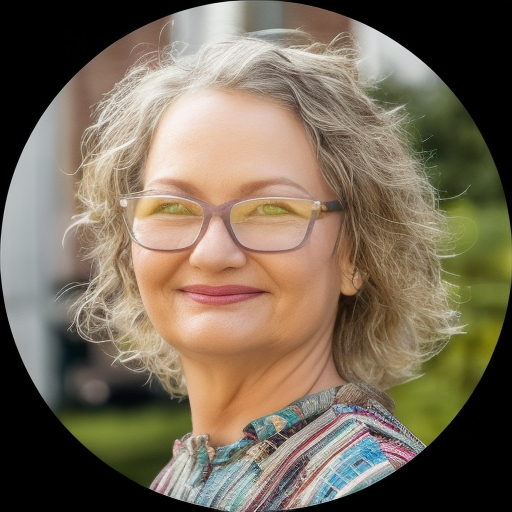
About Tracey
Her style is person-centered and strengths-based. She combines straightforward conversation with practical skills from cognitive behavioral therapy and mindfulness. Attachment-based ideas guide work on relationships and how early patterns shape current struggles.
Tracey also draws on Acceptance and Commitment Therapy ideas to help people clarify values and take manageable steps toward them. Sessions can include faith-integrated support when clients request it, such as Scripture reflection or values-focused grounding. Faith-based work is optional and always led by the client.
She has additional experience with adoption and foster care, aging and geriatric concerns, chronic illness and pain, and family of origin issues. Tracey’s background in nursing and caregiver education informs how she supports people facing medical or caregiving stress.
Outside of clinical work she’s guided by family, humor, and simple routines that restore balance. She describes small acts of creativity and gratitude as important parts of recovery and resilience. Reaching out is framed as a brave step, and she focuses on helping people rediscover strengths and rebuild a sense of hope.
Areas of expertise
Primary focus
Also works with
Additional focus areas
Therapeutic approaches
Experience
12+ years
Credentials
Arkansas
Languages
English
How therapeutic approaches guide online care
Acceptance and Commitment Therapy helps people notice what's important to them and take small actions toward those values. It is useful for anxiety, low motivation, and coping with life changes. Cognitive Behavioral Therapy focuses on changing unhelpful thoughts and behaviors with practical exercises and short-term strategies for symptoms like depression and anxiety.Attachment-Based Therapy looks at how relationship patterns from early life affect current connections and emotional responses. This approach can help with communication problems, caregiving stress, and family of origin issues by building awareness and new ways of relating.
Finding the right approach is part of the work. The therapist will collaborate with each person to choose methods that match their goals, needs, and preferences. Sessions usually begin by identifying what matters most and then testing simple strategies together to see what helps.
The profile does not list specific online session formats, so confirm the available options before booking. Online work can make it easier to fit therapy into a busy life, allow shorter check-ins on demanding days, and let people choose conversation-focused sessions or skills practice that match their routine. Licensed professionals adapt tools and homework so progress continues between meetings.
Frequently asked questions
What concerns does she address?
She supports people dealing with stress, anxiety, depression, grief, compassion fatigue, addictions, parenting and caregiving strain, and hospice and end-of-life counseling.
How would you describe her therapy style?
Her style is person-centered and strengths-based, mixing practical skills with a calm, steady approach that follows each person’s pace and goals.
What is her professional background?
She has 12 years of clinical social work experience and three decades of nursing experience, with training in trauma-informed care and gerontology.
What credentials and location are listed?
She is an LCSW licensed in Arkansas and practices there.
Which languages are supported and are international clients accepted?
Sessions are offered in English and international clients are not currently accepted.
What session formats are available?
The original profile does not specify session formats; please confirm current session options before booking.
How are fees handled?
Cost varies with location and therapist availability; sessions use a subscription that can be canceled at any time.
How do I begin working with her?
Select the Start Therapy button, complete a short matching questionnaire, and schedule according to therapist availability.