- Addiction support
- Grief and loss
- Anxiety and stress
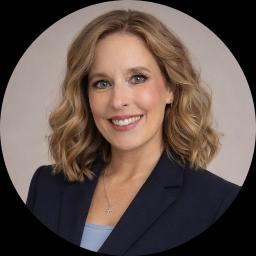
About Tracie
She draws on experience from work across several states and settings, including time supporting service members and veterans. That background shapes how she talks about stress, transition, and compassion fatigue. Tracie listens for what matters most, then helps people set manageable goals and small changes they can try between sessions.
Tracie blends Cognitive Behavioral Therapy, Dialectical Behavior Therapy, and mindfulness techniques in ways that fit each person. She coaches people to notice thoughts and behaviors, practice emotion regulation skills, and build routines that support recovery and resilience. Sessions emphasize clear strategies and steady progress rather than labels.
Her approach is collaborative - clients decide priorities and the pace of work. She aims to reduce shame, clarify values, and strengthen coping skills for everyday life. That includes addressing sleep, eating, relationship patterns, and substance use when they show up.
People considering counseling are invited to complete the platform’s matching questionnaire and schedule a first appointment. The initial step is to share what feels most urgent, and Tracie will help shape a plan that fits the person’s goals and situation.
Areas of expertise
Primary focus
Also works with
Additional focus areas
Therapeutic approaches
Experience
9+ years
Credentials
Alaska, Iowa
Languages
English
How Tracie’s approaches translate to online work
Tracie uses Cognitive Behavioral Therapy to help people notice and change unhelpful thought and behavior patterns. CBT is practical and problem-focused, which can be useful for anxiety, depression, and many everyday struggles. Dialectical Behavior Therapy helps people learn emotion regulation and distress-tolerance skills; it emphasizes skills practice that can be reviewed and refined between sessions.She also uses mindfulness techniques to build present-moment awareness and reduce reactivity. Mindfulness can pair well with CBT and DBT to help with stress, sleep, and cravings. Finding the right mix of approaches is part of the process; Tracie will work together with each person to choose what fits their needs, goals, and preferences as therapy begins.
The biography does not list specific online session formats, so confirm current options before booking. Online work can make it easier to fit sessions into a busy schedule, allow brief check-ins when a full visit is not needed, and reduce travel time. It also makes it simpler to continue care across moves or transitions, while keeping the focus on real-life skill practice and steady progress.
Frequently asked questions
What kinds of concerns does Tracie address?
Her stated focus includes substance use and addiction, anxiety, depression, grief and loss, trauma, and related issues such as sleep, eating, and coping with life changes.
How would you describe her therapy style?
She uses a warm, genuine, and respectful style that emphasizes practical steps and collaboration. Sessions focus on clear skills and small, achievable goals.
What background does she bring to her practice?
She has nine years of experience working in a range of settings across multiple states and has worked with service members and veterans.
What credentials and location are listed?
She holds LPC and LMHC credentials and practices from Iowa as listed in her profile.
Which languages are available for sessions?
Sessions are offered in English.
What session formats are offered?
The original biography does not specify session formats, so confirm current session options before booking to know which formats are available.
How are fees or payment handled?
Cost varies with location and therapist availability, and sessions use a subscription that can be canceled at any time.
How do I begin working with her?
Click the Start Therapy button, complete a short matching questionnaire, and schedule according to the therapist’s availability.