- Strengths-based care
- Stress and anxiety
- End-of-life support
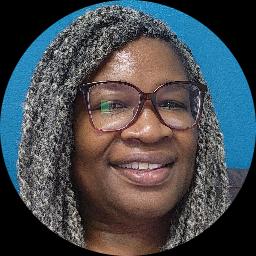
About VaJezatha
VaJezatha listens for practical patterns that keep people stuck and works collaboratively to try different ways forward. She supports people dealing with panic, post-traumatic stress, and the effects of abuse, and she addresses concerns such as body image, guilt, isolation, and life purpose. Her work also includes coaching-style guidance for motivation and confidence.
Her background includes many years helping people navigate major life transitions and relationship complexities, including non-monogamous arrangements and adoption or foster care issues. She also brings experience related to prejudice, multicultural concerns, and hospice and end-of-life counseling when those topics arise.
Sessions emphasize clear goals, small steps, and building on strengths. VaJezatha encourages forgiveness work, communication skill building, and strategies for managing panic and social anxiety. The tone is practical and hopeful, focused on real change in everyday life.
She practices in California as an LCSW and conducts care in English. To begin, prospective clients complete a short matching questionnaire and schedule sessions based on the therapist's availability.
Areas of expertise
Primary focus
Additional focus areas
Experience
15+ years
Credentials
California
Languages
English
How evidence-based techniques translate to online care
Many therapists use evidence-based therapeutic techniques to help people manage symptoms and build skills. Cognitive-oriented approaches focus on identifying unhelpful thinking patterns and trying different ways of thinking and behaving; these methods often help with anxiety, depression, and panic. Trauma-informed methods emphasize safety, pacing, and grounding skills to reduce reactivity and support healing after abuse or other traumatic experiences.Finding the right approach is part of the work. The therapist will collaborate with each person to identify goals and try approaches that fit their needs and preferences. That means checking in about what is working, adjusting strategies, and combining practical coaching with emotional processing when useful.
If you are considering online therapy, confirm the session formats offered before booking. Many people find remote sessions help fit therapy into busy schedules, reduce travel time, and make it easier to maintain regular meetings. Online work can also let people use shorter check-ins or less visually demanding options when needed. Ask about specific session arrangements during the intake process so you can pick what fits your routine.
Frequently asked questions
What concerns does this therapist address?
The therapist helps people with stress, anxiety, depression, trauma and self-esteem. Additional areas include grief-related and end-of-life topics, body image, panic, and multicultural concerns.
What is the therapist's approach in sessions?
Sessions are collaborative and strengths-based, with an emphasis on setting clear goals and taking small, practical steps. The therapist combines supportive conversation with coaching-style guidance to build confidence and coping skills.
How much experience does the therapist have?
The therapist has 15 years of professional experience working with a range of life stressors and mental health concerns.
Where is the therapist licensed and located?
The therapist is licensed in California as an LCSW and provides services from that location.
Which languages are supported?
Sessions are offered in English.
Can people outside the U.S. work with this therapist?
International clients are not currently accepted.
How are fees and payment handled?
Cost varies with location and therapist availability, and sessions use a subscription that can be canceled at any time.
What are the first steps to begin therapy?
Select the Start Therapy button, complete a short matching questionnaire, and schedule sessions according to the therapist's availability.