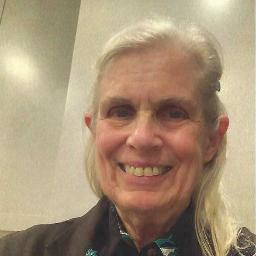
- 47 years experience
- Hospice and end-of-life support
- English only
About Virginia
Her sessions focus on creating an open, nonjudgmental space where thoughts and feelings can be shared. She encourages clients to speak honestly and at their own pace. The first step is often simply talking about what feels hardest right now.
In the room she listens for patterns that maintain distress and works with each person to find practical ways forward. That might mean pacing conversations about grief, learning new ways to handle anger, or practicing small changes in daily routines to lift mood. She aims to make emotional work feel manageable and guided by the client’s priorities.
Virginia draws on a range of evidence-based therapeutic techniques to address mood disorders, post-traumatic stress, and end-of-life concerns related to hospice and bereavement. She helps people navigate isolation, guilt, shame, and forgiveness while attending to aging and geriatric issues when they arise.
Clients come away with clearer coping strategies and a steadier sense of direction. To begin, she asks people to complete a short matching questionnaire and then schedule sessions according to therapist availability.
Areas of expertise
Primary focus
Also works with
Additional focus areas
Experience
47+ years
Credentials
New York
Languages
English
Therapeutic approaches and finding the right fit online
Many practitioners who work with grief, trauma, mood disorders, and end-of-life concerns use evidence-based techniques to guide sessions. One common approach focuses on processing difficult memories and reducing distress by helping people make sense of what happened and how it affects them now; this can help with post-traumatic stress and unresolved grief. Another widely used method teaches practical coping skills for managing strong emotions, improving sleep, and reducing anxiety so daily life becomes more manageable.Choosing an approach is a collaborative process. The therapist will talk with each person about goals, preferences, and what feels most helpful. Together they will try methods that match those needs and adjust the plan as progress is made.
The biography does not list specific online session formats, so confirm current options before booking. Many people find online therapy helpful because it can fit more easily into busy schedules, reduce travel time, and allow shorter check-ins when needed. It can also make it simpler to continue regular work on grief or trauma when life circumstances change. If you’re considering remote work, ask about available session types when you sign up so you know what will work best for your routine.
Frequently asked questions
What kinds of problems does she help with?
She works with stress, anxiety, depression, grief, relationship and intimacy concerns, trauma and abuse, parenting and family-related issues, eating and anger problems, career stress, and compassion fatigue.
How would you describe her therapeutic style?
Her style is open and nonjudgmental. She listens carefully, helps people talk through difficult feelings, and focuses on practical steps that fit each person’s life.
What is her professional background?
She has 47 years of professional experience working in social work and related settings, assisting people with a wide range of emotional and life challenges.
Where does she practice and what are her credentials?
She is licensed as an LCSW in New York. Sessions are offered from her New York practice.
Which languages are supported in sessions?
Sessions are offered in English.
What session formats are available?
The original biography does not specify session formats. Please confirm current session options when scheduling so you know what methods are offered.
How are fees handled?
Cost varies with location and therapist availability. Sessions use a subscription that can be canceled at any time.
How do I begin working with her?
Click the Start Therapy button, complete a short matching questionnaire, and then schedule according to therapist availability.