- Stress and anxiety
- Caregiver support
- End-of-life issues
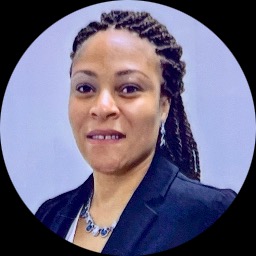
About Vivian
She brings five years of clinical practice in Florida and more than 15 years in counseling, education, healthcare, and social services. That broad background informs how she listens and responds. She describes her style as relationship-centered and eclectic, which means she draws on several approaches and adapts to each person’s needs.
In a session she works collaboratively and keeps goals clear. Conversations often include noticing what matters most, naming unhelpful patterns, and testing small changes that feel doable. Clients can expect straightforward feedback and tools they can try at home.
Vivian often uses ideas from acceptance and commitment work, cognitive behavioral techniques, and client-centered conversation. She pays attention to how culture, caregiving roles, and disability shape daily life. Her aim is to help people take practical first steps toward greater calm, clearer communication, and more self-compassion.
Her approach honors the pace a person chooses. Vivian encourages short, achievable goals and regular check-ins so progress feels real and manageable.
Areas of expertise
Primary focus
Additional focus areas
Therapeutic approaches
Experience
5+ years
Credentials
Florida, Washington, North Carolina
Languages
English
Approaches that guide online work and choice
Vivian draws on Acceptance and Commitment Therapy to help people notice painful thoughts without getting stuck in them and to identify values that give daily life meaning. ACT can be useful for anxiety, stress, and coping with major life transitions.She also uses Cognitive Behavioral Therapy to help identify unhelpful thinking patterns and test small, practical changes in behavior. CBT techniques often focus on changing routines and reactions that maintain low mood or worry.
Finding the best approach is part of the work. Vivian will talk with each person about goals, preferences, and what feels most helpful. Together they try methods and adjust based on what is working, keeping therapy collaborative and flexible.
If you are considering online therapy, confirm the session options before booking so you know what formats are offered. Online work can make it easier to fit sessions into a busy week and reduce travel time. It can also allow shorter check-ins when schedules are tight or let someone avoid being on camera when that feels difficult. Licensed professionals, including therapists with these approaches, often use online meetings to maintain continuity of care and to support steady progress without a major disruption to daily life.
Frequently asked questions
What kinds of concerns does she help with?
She helps people with stress, anxiety, relationship problems, low self-esteem, depression, and coping with life changes. Additional focuses include caregiver stress, aging and geriatric issues, codependency, isolation, and hospice and end-of-life counseling.
How would you describe her therapeutic style?
Her style is relationship-centered and eclectic, adapting to each person's needs. Sessions emphasize collaboration, practical steps, and tools to use between meetings.
What background and experience does she bring?
She has five years of clinical work in counseling and over 15 years across counseling, education, healthcare, and social services. That mix informs her practical, person-focused approach.
What credentials and location are on record?
She holds LCSW credentials and practices in Florida with licensure listed as NC LCSW and FL LCSW.
Which languages are sessions offered in?
Sessions are offered in English.
Can people outside the United States work together with her?
International clients are not currently accepted.
How are session costs handled?
Cost varies with location and therapist availability; sessions use a subscription that can be canceled at any time.
What is the first step to begin working with her?
Click the Start Therapy button, complete a short matching questionnaire, and schedule according to therapist availability.