- Hospice and end-of-life counseling
- Client-centered approach
- Practical coping skills
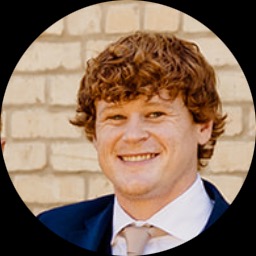
About Zachary
He has six years of post-graduate clinical experience and more than a decade working in mental health across three states. That background includes time with many different kinds of people and situations, which informs how he meets people where they are. He draws on practical methods to help people move forward rather than only talking about problems.
Zach uses a mix of approaches that fit the person and the issue. He often meets people where they are with client-centered listening, then adds cognitive behavioral tools to adjust thinking and mindfulness practices to manage stress in the moment. Motivational interviewing and psychodynamic ideas also shape how he explores goals and patterns.
People turn to him for help with grief and end-of-life concerns, depression, addictions, self-esteem, ADHD, caregiver stress, communication problems, and many relationship and life transitions. He also addresses body image, eating-related issues, codependency, and anger when those come up.
Outside of work he spends time hiking, camping, and trying new hobbies. In winter he enjoys reading, watching shows, and playing video games. His style is casual but focused, aiming to make therapy useful and fit into everyday life.
Areas of expertise
Primary focus
Also works with
Additional focus areas
Therapeutic approaches
Experience
6+ years
Credentials
Illinois
Languages
English
How these approaches guide online care
Client-centered therapy focuses on giving people space to speak and be heard without judgment, helping build trust and clarify what matters most. Cognitive behavioral therapy breaks problems into thinking and behavior patterns, then works on practical changes to reduce symptoms like anxiety or depression. Mindfulness therapy teaches simple attention skills to help manage stress and stay present during difficult moments.Finding the right approach is part of the work. The therapist will listen to your goals and try methods that fit your needs and preferences. That may mean starting with listening and then adding cognitive tools or mindfulness exercises based on how you respond. Decisions about approach are collaborative and can change over time.
Session formats are not specified in the biography, so confirm current options before booking. Online therapy can make it easier to fit sessions into a busy week, reduce travel time, and allow shorter check-ins when schedules are tight. It can also let people use practices like mindfulness exercises or thought-record worksheets between meetings so work continues outside the session.
Frequently asked questions
What issues does Zachary help with?
He works with a wide range of concerns including grief, stress, anxiety, depression, addictions, relationship and intimacy issues, parenting challenges, ADHD, and caregiver stress.
How would you describe his therapy style?
Sessions are relaxed and down-to-earth, focusing on listening and practical steps. He combines client-centered support with tools from cognitive behavioral and mindfulness approaches.
What is his background and experience?
He has six years of post-graduate experience as a licensed clinician and over a decade in mental health work across three states.
Where is he licensed and based?
Zachary holds an IL LCSW and practices in Illinois.
Which languages are available for sessions?
Sessions are offered in English.
Can international clients work with him?
He is not accepting international clients at this time.
How are sessions paid for and what does it cost?
Cost varies by location and therapist availability, and sessions use a subscription that can be canceled at any time.
How do I begin a therapy relationship?
Click the Start Therapy button, complete a short matching questionnaire, and schedule sessions according to the therapist's availability.