
Nikki Lewis-Clark
LCPCMontana · 24 yrs exp
Experienced counselor for life transitions
Stress, Anxiety · Relationship · Family · Parenting · +15 more
Read profileTherapists in the US, UK and Australia
If you need help nowTherapist listings are provided by BetterHelp. We will earn a commission at no extra cost to you if you use our links to buy.
Use this Montana listed location to compare profiles of clinicians who list hospice, end-of-life or serious illness support among their focus areas. Review focus areas, professional credentials, approaches, languages and experience, then browse profiles to learn more. Check each individual profile and confirm permission to work together where you live before reaching out.
Montana · 24 yrs exp
Experienced counselor for life transitions
Stress, Anxiety · Relationship · Family · Parenting · +15 more
Read profile
Montana · 30 yrs exp
Experienced clinician focusing on grief and addiction recovery
Stress, Anxiety · Addictions · Relationship · Family · +8 more
Read profile
Montana · 20 yrs exp
Compassionate therapist for life transitions
Stress, Anxiety · Trauma and abuse · Grief · Career · +1 more
Read profile
Montana · 4 yrs exp
Practical, evidence-informed counseling for life changes
Stress, Anxiety · LGBT · Grief · Depression · +1 more
Read profile
Montana · 7 yrs exp
Compassionate guidance for major life transitions
Stress, Anxiety · Grief · Self esteem · Depression · +11 more
Read profile
Montana · 20 yrs exp
Compassionate person-centered clinical social worker
Stress, Anxiety · Addictions · Relationship · Family · +11 more
Read profile
Montana · 23 yrs exp
Compassionate counselor for end-of-life concerns
Stress, Anxiety · Family · Trauma and abuse · Parenting · +12 more
Read profile
Montana · 6 yrs exp
Person-centered therapy with practical skills
Depression · Coping with life changes · Compassion fatigue · Stress, Anxiety · +9 more
Read profile
Montana · 23 yrs exp
Compassionate adult therapy for life transitions
Stress, Anxiety · Relationship · Grief · Anger · +15 more
Read profile
Montana · 32 yrs exp
Compassionate practical support for hard moments
Stress, Anxiety · Addictions · Trauma and abuse · Grief · +10 more
Read profile
Montana · 18 yrs exp
Experienced LCSW focusing on practical support
Stress, Anxiety · Trauma and abuse · Self esteem · Coping with life changes · +6 more
Read profile
Montana · 13 yrs exp
Compassionate trauma and end-of-life counseling
Stress, Anxiety · LGBT · Trauma and abuse · Grief · +11 more
Read profile
Montana · 20 yrs exp
Compassionate guide through life transitions
Stress, Anxiety · Self esteem · Depression · Coping with life changes · +9 more
Read profile
Montana · 3 yrs exp
Care-focused counselor for life's hard transitions
Stress, Anxiety · Family · Grief · Parenting · +10 more
Read profile
Montana · 15 yrs exp
Compassionate counselor for life transitions
Family · Parenting · Self esteem · Depression · +11 more
Read profile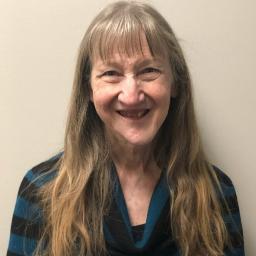
Montana · 30 yrs exp
Compassionate whole-person therapy for adults
Stress, Anxiety · Grief · Self esteem · Depression · +8 more
Read profile
Montana · 10 yrs exp
Compassionate support for life transitions
Stress, Anxiety · Relationship · Grief · Depression · +1 more
Read profile
Montana · 3 yrs exp
Calm guidance for stress and life changes
Stress, Anxiety · Relationship · Self esteem · Depression · +1 more
Read profile
Montana · 9 yrs exp
Compassionate counseling for life transitions
LGBT · Trauma and abuse · Grief · Self esteem · +11 more
Read profile
Montana · 8 yrs exp
Compassionate support for grief and life transitions
Stress, Anxiety · LGBT · Grief · Self esteem · +7 more
Read profile
Montana · 23 yrs exp
Compassionate, practical support for life's hard moments
Stress, Anxiety · Trauma and abuse · Grief · Self esteem · +10 more
Read profile
Montana · 25 yrs exp
Experienced Montana LCSW supporting adults
Stress, Anxiety · Anger · Self esteem · Depression · +8 more
Read profile
Montana · 5 yrs exp
Practical, respectful counseling for everyday struggles
Stress, Anxiety · Relationship · Trauma and abuse · Anger · +1 more
Read profile
Montana · 13 yrs exp
Healing through practical, compassionate therapy
Stress, Anxiety · Trauma and abuse · Grief · Self esteem · +1 more
Read profileWhen you or someone you care about is living with serious or terminal illness, everyday life often shifts in ways that can feel overwhelming. You may be dealing with fear about what comes next, conversations you want to have but do not know how to begin, or the weight of caregiving responsibilities that erode your energy and time. Anticipatory grief - the sorrow that arrives before a death - can coexist with moments of presence, and many people find they need both emotional support and practical problem-solving as needs change. In this context it is normal to want help talking about meaning, priorities and what matters most to you.
Therapists and counselors who list hospice or end-of-life care among their focus areas can offer a range of support aimed at helping you reflect, express what matters, and cope with change. It is important to understand that clinicians in this directory are not hospice, palliative care teams, or medical providers and they do not arrange clinical care. Their role is emotional and psychological support, and you should coordinate medical decisions with your medical team and hospice or palliative services where appropriate.
As you read profiles, think about the kinds of conversations you want to have - whether that is exploring meaning and legacy, managing anxiety about symptoms and future planning, supporting family dynamics, or finding ways to balance caregiving tasks and personal needs. Not every clinician who lists these focus areas works with the same populations or uses the same approaches, so clarifying fit is an important early step.
The directory groups profiles under Montana as a listed location, but that grouping does not guarantee an office address or ongoing local practice. A listed location simply identifies that a clinician has chosen to be visible in this geographic area. You should look at each profile to see what the clinician states about where they can legally work and what settings they describe. Confirm permission to work together where you live before proceeding.
Profiles may show academic degrees such as PhD, PsyD, MD, MA or MSW. Those degrees describe educational background and are not the same as professional permission to practice. In the United States, clinicians typically hold a license such as LCSW, LPC, LMFT or similar; in the United Kingdom clinicians may list registration or membership with professional bodies; in Australia they may reference registration or association membership. Do not assume every profile represents a currently licensed or registered clinician in every jurisdiction. Check the profile language and ask the clinician directly about their current permission to practice where you are located.
Because the directory includes professionals from the US, UK and Australia, terminology will vary. If you need care that meets regulatory or insurance requirements, ask specific questions about licensing, registration, or professional membership and whether the clinician is authorized to provide care to someone in Montana. That step will help you avoid delays or confusion later in the process.
When you review a profile and consider reaching out, prepare concrete questions that reflect what matters to you. Ask about experience with people facing advanced illness or at the end of life, and how the clinician typically supports conversations about meaning, legacy, and saying what matters. If you are a caregiver, ask how the clinician addresses caregiver strain, role changes and boundary setting. If grief or anticipatory loss is central to your needs, ask how they approach grief work and whether they support family members as well as individuals.
Because profiles may list therapeutic approaches without proving formal certification, frame questions to learn what those references mean in practice. For example, ask whether a clinician has experience using approaches they list, how they adapt those approaches for serious illness contexts, and what a typical session focus might look like during periods of medical crisis. If you need support for couples or families, ask whether that is within the clinician's scope, since a focus on end-of-life issues does not automatically imply family- or couples-focused practice.
Also discuss practical considerations: language preferences, cultural understanding, experience with spiritual or existential questions, and any experience the clinician has with hospital, hospice or community teams as collaborators. These conversations help you gauge whether the clinician’s style, focus areas and experience align with what you need right now.
If you are considering remote sessions or care that crosses state or national lines, bring up legal permission and emergency planning early. Ask whether the clinician is legally permitted to provide care to someone located in Montana and what they require in terms of location and documentation. Confirm how the clinician would handle an urgent emotional or safety concern and what local emergency resources you should have on hand. This is especially important when working across jurisdictions where crisis services differ.
Talk about technology and communication preferences in ways that matter to you. Clarify which platforms the clinician uses, how appointment scheduling and cancellations are handled, and what to expect for written communication between sessions. Ask about their privacy safeguards and how they manage records in their practice so you understand how your information is handled. You should also discuss boundaries around contacts outside of sessions, such as how to reach someone if you are in distress and what constitutes an emergency versus a routine message.
Finally, confirm whether the clinician will collaborate with hospice, palliative care, spiritual care, or other members of your support network if you want them to. Some clinicians regularly coordinate with other professionals; others prefer to focus on individual support. Deciding how much coordination you want ahead of time will help set expectations and make it easier to integrate emotional care with medical and practical supports.
As you compare profiles in this Montana listed location, look beyond general labels to the specifics each clinician provides. Focus areas indicate what a clinician lists as interests or populations they work with, but the depth of that experience can vary. Read profile descriptions for examples of the issues they address, the populations they mention, and any settings they note, such as working with caregivers, people receiving hospice services, or those navigating complex family conversations.
Languages and cultural competency are often decisive factors. If you prefer to speak in a language other than English, look for clinicians who list that language and ask about comfort level and clinical fluency. If cultural, spiritual, or faith-based perspectives matter to you, ask how the clinician incorporates those elements into care, and whether they have experience with communities or cultural frameworks like yours.
Credentials and degrees tell different parts of a clinician’s background. An MA or MSW indicates a graduate-level degree in mental health fields, while a PhD, PsyD or MD points to a doctoral-level degree. Those academic credentials do not by themselves prove current permission to practice. Licenses, registrations, or professional memberships indicate the regulatory or professional frameworks that govern practice in different countries. Finally, style and tone matter - some clinicians focus on practical coping and problem-solving, others emphasize meaning, narrative, or legacy work. Pay attention to the language used in profiles and ask direct questions about what a typical conversation will feel like so you can choose someone whose style matches what you need.
When you find profiles that seem like a potential fit, contact clinicians with the concrete questions above and confirm that they can work with you in Montana. Taking this careful, informed approach helps you focus on clinicians whose experience, language skills and professional status align with your needs at a time when clear communication and thoughtful emotional support are especially important.
Anger
2235 therapists
Cancer
1633 therapists
Chronic Illness
1691 therapists
Depression
3298 therapists
Grief
3217 therapists
Guilt and Shame
2925 therapists
HIV / AIDS
718 therapists
Isolation / Loneliness
2839 therapists
Midlife Crisis
2269 therapists
Mood Disorders
2120 therapists
Panic Disorder and Panic Attacks
2085 therapists
Post-Traumatic Stress
2415 therapists
Self Esteem
3188 therapists
Sleeping Disorders
1227 therapists
Stress & Anxiety
3562 therapists
Trauma and Abuse
2900 therapists
Abandonment
2126 therapists
Aging and Geriatric Issues
2474 therapists
Attachment Issues
2091 therapists
Caregiver Issues and Stress
2778 therapists
Communication Problems
2933 therapists
Compassion Fatigue
2214 therapists
Coping with Life Changes
3155 therapists
Family
2658 therapists
Family of Origin Issues
1836 therapists
Forgiveness
2786 therapists
Hospice and End-of-Life Counseling
3798 therapists
Life Purpose
2982 therapists
Money and Financial Issues
1440 therapists
Parenting
2187 therapists
Relationship
3059 therapists
Workplace Issues
2458 therapists
This directory is not a crisis line, a hospice or an emergency service. If someone is in danger, or a medical situation is getting worse, call the emergency number or the care team looking after them.